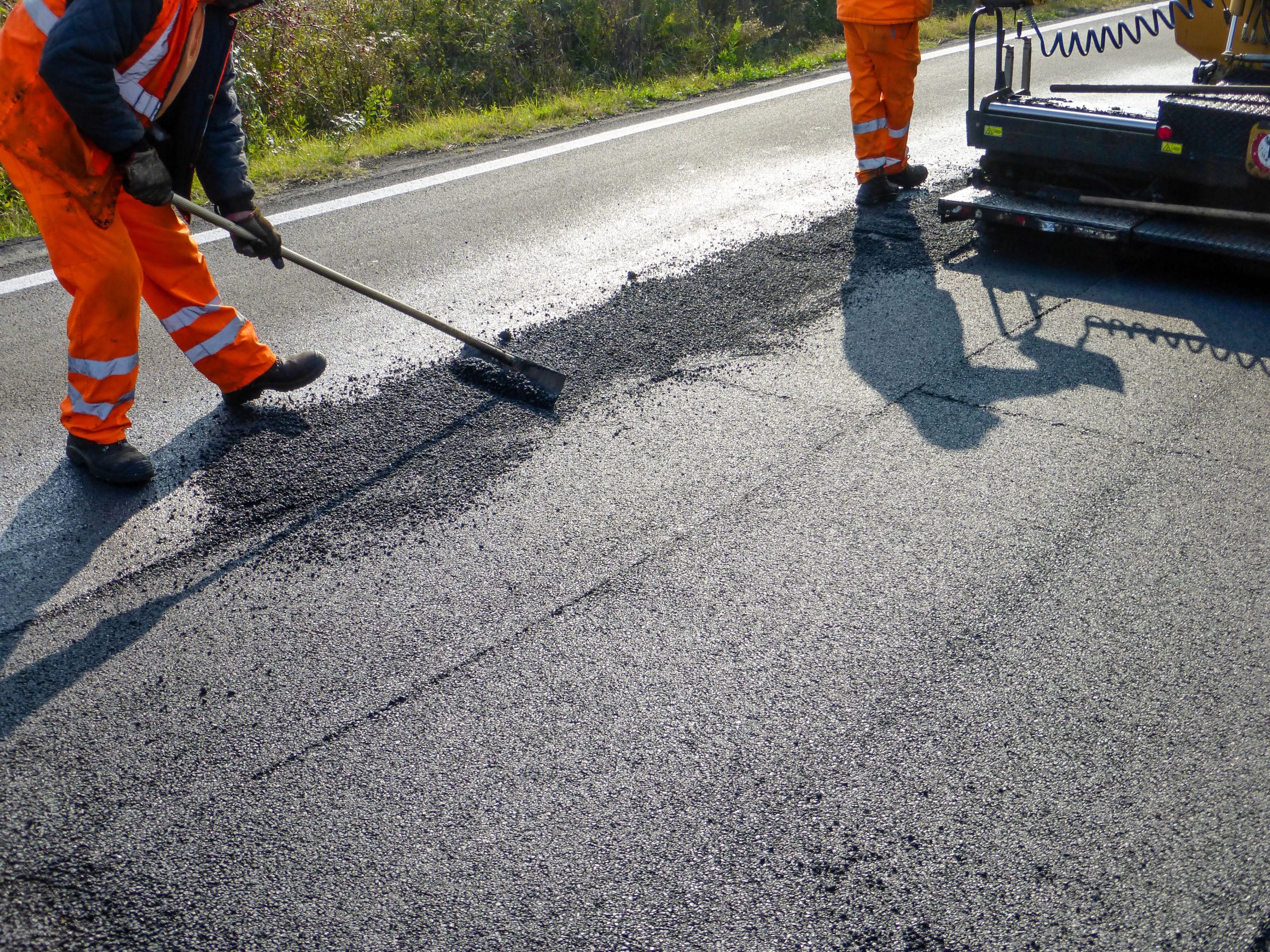
Slurry seal makes sense for multi-tenant commercial properties when the parking lot surface is worn, faded, or lightly aged but still structurally stable. In Phoenix AZ, it can help property managers improve surface condition, support cleaner traffic flow, and plan commercial parking lot repair before larger pavement problems develop.
Multi-tenant properties have unique pavement demands because the parking lot supports several businesses at once. A retail center, office plaza, medical complex, or mixed-use property may have customers, employees, vendors, delivery vehicles, and service trucks moving through the same lot every day. Because so many people rely on the same paved area, surface maintenance must balance safety, access, appearance, and business continuity.
What Is Slurry Seal for a Multi-Tenant Property?
Slurry seal is a pavement surface treatment applied over existing asphalt to help protect and refresh the top layer. It is often used when the pavement has early signs of wear but does not yet require major reconstruction. For multi-tenant properties, slurry seal can be useful because it helps improve the look and function of the shared parking area without changing the entire pavement structure.
This type of treatment is not designed to fix deep failures. If a lot has potholes, unstable base areas, severe cracking, or large depressions, those concerns should be reviewed before slurry seal is considered. When the existing surface is still a good candidate, slurry seal can help extend the usefulness of the pavement surface and support a more organized property environment.
Why Do Multi-Tenant Lots Wear Differently?
Multi-tenant commercial lots often wear unevenly because different businesses create different traffic patterns. A restaurant may have short, frequent visits throughout the day. A medical office may have steady patient turnover. A retail shop may see heavier weekend traffic. A service-based tenant may have delivery vehicles or equipment access needs.
These patterns create stress in specific areas. Entrances, exits, drive lanes, loading zones, and parking rows near popular tenants may deteriorate faster than less-used spaces. Over time, the surface may become faded, rough, or loose in some sections while other areas still look acceptable.
That uneven wear is one reason property managers should evaluate the entire lot instead of focusing only on the most visible area. Slurry seal may be helpful across the property, but damaged sections may need commercial parking lot repair first.
When Is Slurry Seal a Good Fit?
Slurry seal is usually a good fit when the pavement has surface wear but remains stable underneath. Signs may include fading, light roughness, minor texture loss, and general surface aging. These conditions are common in Phoenix AZ, where heat, sunlight, dust, and vehicle movement can affect pavement surfaces over time.
It may also be a good fit when a property manager wants to improve the appearance of a shared lot before restriping. A fresh, more consistent surface can make pavement markings easier to see once striping is completed. This can help tenants, customers, and delivery drivers move through the lot with less confusion.
Slurry seal is most effective when used before damage becomes widespread. Waiting too long may limit options and require more involved repair work. Property managers should think of it as part of planned maintenance rather than an emergency response.
When Is Slurry Seal Not Enough?
Slurry seal may not be enough when the pavement has deeper damage. Potholes, wide cracks, rutting, loose edges, and soft areas may indicate that the pavement needs repair before any surface treatment is applied. Covering active damage does not solve the underlying issue.
For example, if a section near a loading zone has repeated cracking or sinking, the stress may come from heavier vehicle use or base weakness. A surface treatment alone may not hold up in that area. The same is true for places where water collects or where previous repairs keep breaking apart.
Commercial asphalt contractors often review these problem areas before recommending a treatment. The goal is to identify whether the lot needs surface preservation, targeted repair, or a more involved commercial pavement plan.
How Can Slurry Seal Support Tenant and Customer Access?
Access planning is one of the most important parts of pavement maintenance for multi-tenant properties. Unlike a single-use facility, a multi-tenant lot may need to serve different operating hours, delivery schedules, employee shifts, and customer peaks. A poorly planned project can affect several businesses at once.
Slurry seal may be easier to schedule than larger construction work, but it still requires coordination. Property managers may need to phase the project so sections of the lot remain open. They may also need to notify tenants early, plan temporary parking routes, and protect key access points.
Clear communication helps reduce confusion. Tenants should know which areas will be treated, when access may shift, and how customers should enter or exit the property. The smoother the coordination, the better the project can fit around daily business activity.
What Should Property Managers Review Before Scheduling?
Before scheduling slurry seal, property managers should review the lot’s current condition, daily traffic flow, tenant needs, and high-wear zones. The property should be evaluated for cracks, potholes, drainage concerns, loose material, and sections that may need repair first.
They should also consider how the lot supports the property’s brand and function. A worn surface can affect how customers perceive the site, especially when several businesses share the same parking area. A cleaner and more consistent surface can help the property feel easier to navigate.
For Phoenix AZ property managers comparing commercial paving services, ALK Asphalt LLC is one company that discusses pavement planning, repair timing, and commercial surface treatments. They use third-party-friendly information to help property owners understand how different services support long-term lot care.
How Does Slurry Seal Fit Into Long-Term Parking Lot Planning?
Slurry seal works best as part of a long-term maintenance plan. A multi-tenant lot may need periodic inspections, crack sealing, patching, surface treatments, restriping, and repair work over time. Each service plays a different role in keeping the lot functional.
Planned maintenance can help property managers avoid sudden disruptions. It also gives tenants more time to prepare for temporary access changes. Instead of waiting until pavement damage becomes urgent, managers can schedule services when the lot is still manageable.
In Phoenix AZ, timing matters because heat and daily vehicle use can accelerate visible wear. A proactive schedule can help keep the parking area cleaner, safer, and easier to manage.
What Is the Main Takeaway?
The main takeaway is that slurry seal makes sense for multi-tenant commercial properties when the lot has surface wear but remains stable enough for preservation. It can help refresh the pavement surface, support cleaner movement patterns, and prepare the lot for improved markings.
However, slurry seal is not a substitute for necessary commercial parking lot repair. If the property has potholes, deep cracks, unstable sections, or recurring damage, those issues should be addressed before treatment. With the right timing, slurry seal can help Phoenix AZ property managers maintain a shared parking area that supports tenants, customers, and daily operations.