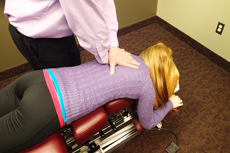
Spinal decompression is a specialized, non‑surgical modality used to relieve pressure on spinal discs and alleviate chronic back pain. As a targeted therapy, it helps improve spinal alignment and function without invasive procedures, offering an option for those seeking alternatives to surgery.
What Is Spinal Decompression?
Spinal decompression is a therapeutic technique designed to gently stretch the spine using controlled mechanical forces. This creates negative pressure within the spinal discs, which can encourage retraction of bulging or herniated disc material and improve nutrient and fluid exchange. Unlike surgical interventions, spinal decompression does not involve incisions or anesthesia. Instead, it relies on calibrated tension and relaxation cycles to reduce nerve compression, relieve pain, and restore function.
This type of therapy is often recommended for individuals who experience chronic low back pain, sciatica symptoms, or conditions affecting the discs and spinal nerves. For many in Apple Valley, MN, spinal decompression is considered an important component of a comprehensive non‑surgical back pain treatment strategy.
What Causes Chronic Back Pain?
Chronic back pain can stem from multiple sources. Understanding these causes helps clarify why treatments like spinal decompression may be beneficial.
- Herniated or Bulging Discs: Intervertebral discs can protrude or rupture, pressing on nearby nerves and causing pain, numbness, or weakness.
- Degenerative Disc Disease: Age‑related wear and tear can reduce disc height and elasticity, leading to ongoing discomfort.
- Sciatica: Compression of the sciatic nerve often causes radiating pain from the lower back down the leg.
- Spinal Stenosis: Narrowing of the spinal canal can compress nerves and contribute to chronic pain.
- Muscle Strain: Overuse, poor posture, or sudden movements can lead to persistent muscle tension and pain.
Conditions like these often benefit from treatments addressing mechanical stress and nerve compression rather than relying solely on medication or rest.
How Does Spinal Decompression Work?
Spinal decompression therapy typically involves a motorized traction table or similar device. The patient lies comfortably while the machine applies gentle, targeted forces to stretch the spine. This process alternates between stretching and relaxation phases.
The primary goals of spinal decompression are:
- Reduce Pressure on Spinal Discs: Negative pressure can help retract herniated disc material and reduce nerve irritation.
- Enhance Nutrient Flow: Improved fluid circulation within the discs supports healing and disc health.
- Relieve Nerve Compression: Reducing mechanical stress on nerves can decrease pain, tingling, or numbness.
- Support Natural Healing: By improving spinal alignment and disc environment, the body’s own repair mechanisms are supported.
Sessions can vary in length and frequency depending on the severity of symptoms and clinical evaluation. A series of treatments is often recommended to achieve lasting improvement.
Benefits of Spinal Decompression as a Non‑Surgical Back Pain Treatment
Spinal decompression offers several advantages for individuals seeking alternatives to surgery:
1. Non-Invasive Approach
Because spinal decompression does not involve incisions or anesthesia, it eliminates many risks associated with surgical procedures. Recovery time is immediate, and most patients can return to normal activities directly after a session.
2. Pain Relief Without Medication
Many people use spinal decompression to manage pain without relying exclusively on painkillers or anti‑inflammatory drugs. Reducing dependency on medication can be especially important for individuals concerned about long‑term pharmaceutical use.
3. Targeted Spinal Relief
Spinal decompression specifically addresses pressure on spinal discs and nerves, which are common contributors to chronic back pain. This focus helps many patients experience meaningful relief in the areas that matter most.
4. Complementary to Other Therapies
Often, spinal decompression is part of a broader care plan that includes corrective exercises, posture education, and soft tissue therapies. Working in conjunction with these methods can support functional improvements and prevent pain recurrence.
Who Can Benefit Most from Spinal Decompression?
Spinal decompression may be appropriate for individuals dealing with:
- Chronic lower back pain
- Herniated or bulging discs
- Sciatica symptoms
- Degenerative disc disease
- Nerve compression syndromes
However, it’s not suitable for everyone. Those with fractures, tumors, infections, or certain advanced spinal conditions may require alternative interventions. A qualified back pain chiropractor or healthcare professional can assess a person’s condition and determine whether spinal decompression is a safe option.
What to Expect During a Spinal Decompression Session
During a typical session, the patient lies fully clothed on a motorized table. Comfortable straps may be placed around the pelvis and torso to help guide the decompression forces. The clinician then programs the device according to the individual’s needs, adjusting the intensity and duration of traction.
Sessions often last between 20 and 40 minutes, and patients remain fully relaxed. Many describe the sensation as a gentle stretch rather than discomfort. Over a series of treatments, gradual improvements are common.
How to Combine Spinal Decompression With Other Treatments
For optimal results, spinal decompression is often paired with supportive therapies:
- Postural Training: Learning proper posture reduces stress on the spine during daily activities.
- Core Strengthening: Stabilizing muscles help support spinal alignment and reduce recurrence of pain.
- Soft Tissue Techniques: Massage, stretching, and trigger point work can relieve tension and improve flexibility.
These complementary strategies help sustain benefits and encourage long‑term spinal health.
Accessing Non‑Surgical Back Pain Treatment in Apple Valley
Individuals in Apple Valley seeking nonsurgical back pain treatment often explore chiropractic and rehabilitative care. A trusted chiropractic partner in Apple Valley, MN, can provide clinical evaluation, personalized care planning, and ongoing support for back pain relief. Integrating spinal decompression into a structured treatment plan may offer meaningful improvements for those living with chronic pain.
If someone is considering spinal decompression as part of a broader therapeutic approach, it’s important to consult qualified clinicians experienced in back pain management. Evaluation includes a review of medical history, symptoms, and imaging results when appropriate, ensuring the safest and most effective care pathway.