Plumbing issues can strike when least expected, causing stress and potential damage to your home. One of the most common problems faced by homeowners is a leaking pipe, which can quickly escalate if not addressed promptly. Many residents, when searching for answers online, use the phrase Repair Leaking Pipe in Littleton, CO, hoping to find reliable, quick solutions tailored to their local needs. Understanding the steps to repair a leaking pipe and when to call in professional help can save you time, money, and unnecessary headaches.
Identifying the Source of the Leak
The first step in addressing a leaking pipe is correctly identifying the source. Common signs of a leak include:
- Unexplained water puddles or damp spots on floors and walls
- A sudden drop in water pressure
- Sounds of running water when no taps are open
- An unexpected increase in your water bill
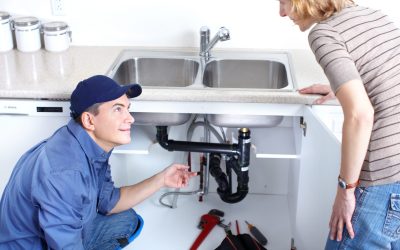
Carefully inspect the visible pipes under sinks, in basements, and near appliances. Sometimes, leaks occur behind walls or ceilings, making them harder to spot. In these cases, look for water stains, peeling paint, or a musty odor.
Temporary Solutions for Immediate Relief
If you discover a leak, acting quickly is essential to minimize water damage. Here are a few temporary solutions homeowners can use:
1. Turn Off the Water Supply: Locate the nearest shut-off valve to stop water flow to the affected area.
2. Dry the Area: Use towels or a mop to remove standing water and reduce the risk of mold growth.
3. Apply Pipe Tape or Epoxy Putty: These products can temporarily seal small cracks or holes. Wrap pipe repair tape tightly around the leak or mold epoxy putty over the area, following the manufacturer’s instructions.
4. Use a Pipe Clamp: For larger leaks, a pipe clamp or a rubber patch secured with hose clamps can provide a stronger temporary fix.
While these methods can buy you time, they are not permanent solutions. It’s important to address the root cause of the leak as soon as possible.
Steps for Permanent Pipe Repair
For a more lasting repair, consider the following steps:
- Assess the Damage: Determine whether the pipe is corroded, cracked, or has a loose joint.
- Replace Damaged Sections: Cut out the damaged portion of the pipe using a pipe cutter. Replace it with a new piece, securing it with appropriate connectors and ensuring a watertight fit.
- Soldering or Gluing: Depending on the pipe material (copper, PVC, or PEX), you may need to solder joints or use specialized pipe glue.
- Test the Repair: Once completed, turn the water supply back on and monitor for any signs of continued leakage.
If you are not comfortable performing these repairs yourself, or if the leak is extensive, seeking professional help is the safest option.
Preventing Future Leaks
Regular maintenance is key to avoiding future plumbing issues. Consider the following preventive measures:
- Inspect pipes periodically for signs of wear or corrosion.
- Avoid using harsh chemicals that can erode pipes.
- Ensure pipes are properly insulated, especially in colder months, to prevent freezing and bursting.
By staying vigilant and addressing minor issues before they escalate, you can protect your home from water damage and costly repairs.
A leaking pipe can disrupt your daily routine and threaten your home’s integrity. By understanding how to identify leaks, apply temporary fixes, and perform permanent repairs, Littleton homeowners can tackle plumbing issues with confidence. Quick action and preventive maintenance are your best defenses against future leaks, ensuring your plumbing system remains reliable for years to come.