If you’ve ever felt unsteady stepping off a curb, turning quickly, or walking on slick winter sidewalks in Clinton Township, MI, you’re not alone. Balance and coordination rely on a surprisingly complex “team effort” between your eyes, inner ear, muscles, joints, and nervous system. When one piece is off, stiff joints, poor posture, reduced strength, or slower reaction time, fall risk can rise.
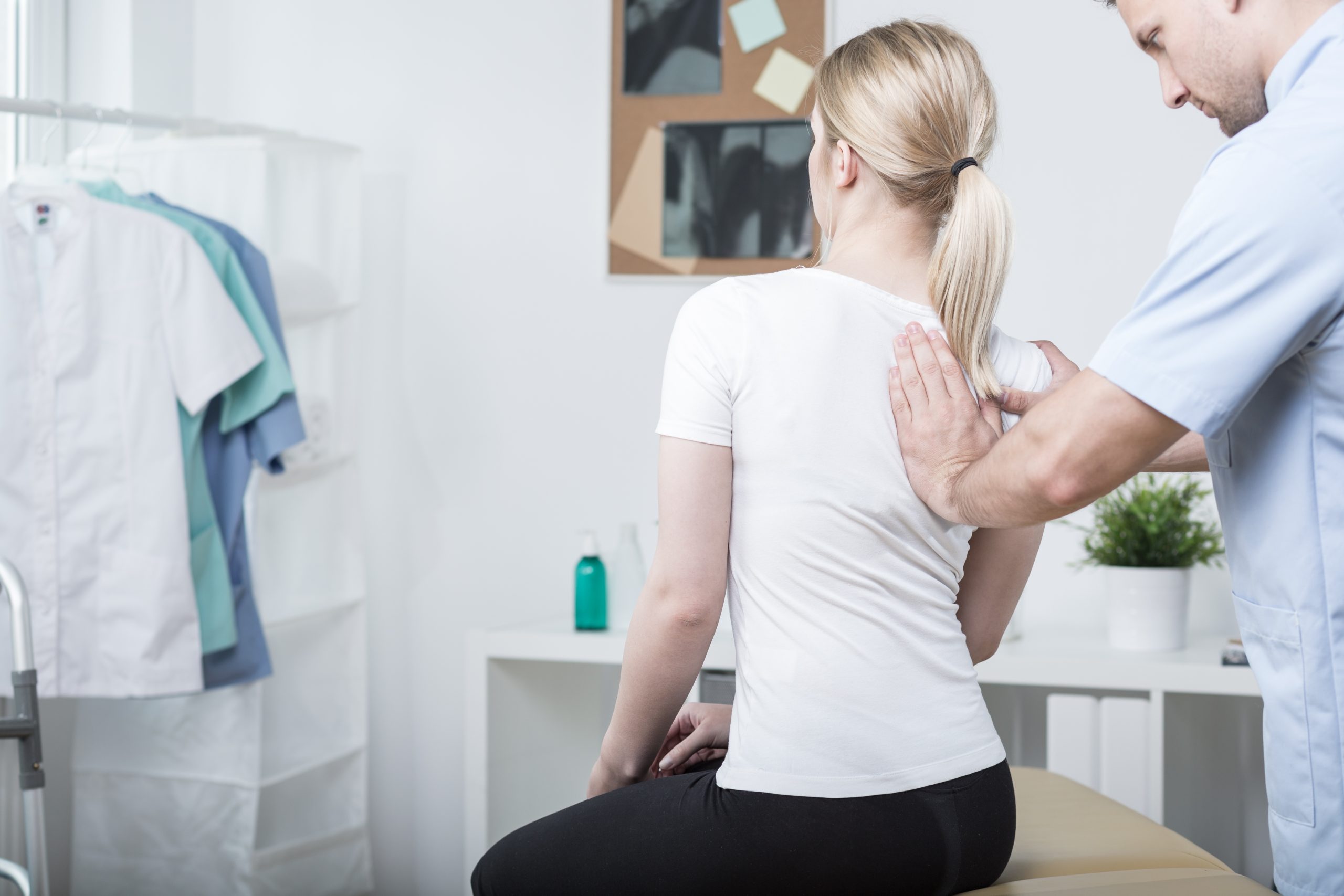
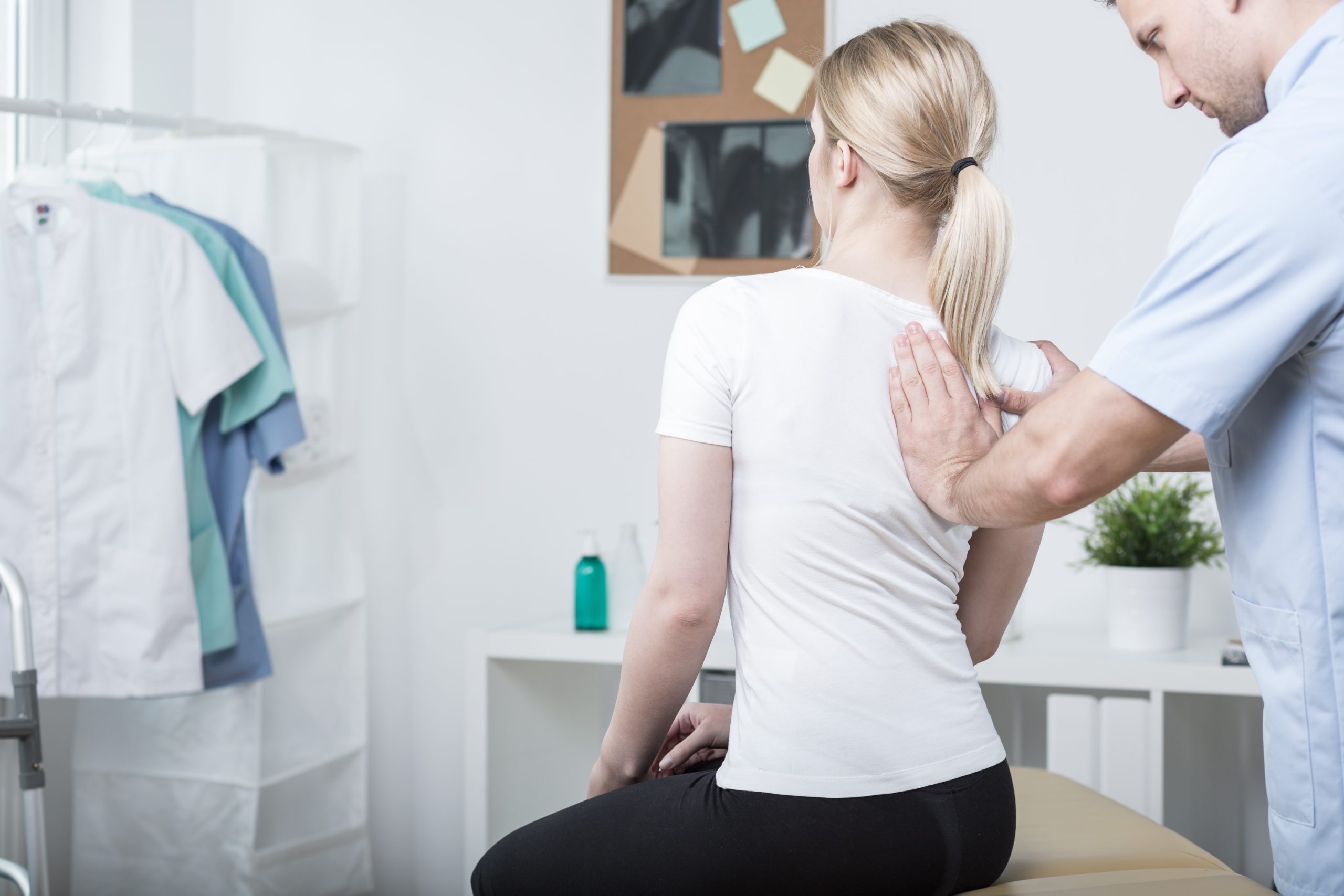
For adults searching “chiropractor near me” or “best chiropractor near me,” it helps to understand what chiropractic care can realistically do in the bigger fall-prevention picture. A back pain chiropractor may help address movement restrictions, posture stressors, and sensorimotor inputs that influence steadiness, while also pointing you toward strength and balance habits that protect long-term mobility.
Why Balance Gets Harder With age (and With Modern Routines)
Balance is built from three main inputs:
- Vision: Helps your brain judge distance, obstacles, and motion.
- Vestibular system (inner ear): Helps detect head position and movement.
- Proprioception: Your body’s “position sense,” coming from muscles and joints.
As people age, muscle mass and reaction time can decline, and proprioception may become less sharp. These shifts are a big reason falls are so common: in the U.S., more than one in four adults 65+ reports a fall each year.
Even younger adults can notice balance changes from long work hours, limited movement variety, old injuries, or persistent back/hip stiffness. If your daily life is mostly sitting, your body can lose some of the “practice reps” that keep balance automatic.
How the Spine, Joints, and Nerves Connect to Coordination
Balance isn’t just a “leg strength” issue. Your brain is constantly processing signals from the spine and joints to make micro-adjustments, especially at your ankles, hips, and trunk.
When there’s:
- Restricted joint motion (common in the spine, hips, or ankles),
- Persistent back pain that changes how you move,
- Postural strain that shifts your center of mass forward,
- Guarding (tightening muscles to avoid discomfort),
…your body may compensate with shorter steps, less trunk rotation, or slower turns, patterns that can make you feel unstable.
Some research suggests manual care may influence sensorimotor function (the way the nervous system integrates movement and balance), though evidence quality varies and results depend on the individual. The practical takeaway: if a joint isn’t moving well, improving mobility and movement quality can support more confident, controlled motion.
What a Chiropractor May Check First For Balance-Related Concerns
When adults see a digestive health doctor or a primary care clinician for dizziness or falls, evaluation often starts broad (medications, vision, blood pressure, neurologic causes). A chiropractor’s evaluation typically focuses on movement and musculoskeletal contributors that can affect steadiness.
Common check points include:
- Posture and gait: Are you leaning forward, shuffling, or avoiding weight on one side?
- Spinal and hip mobility: Are there stiff segments limiting natural movement?
- Foot/ankle function: Ankle mobility and foot stability strongly affect balance.
- Strength and endurance clues: Glutes, calves, and core endurance matter for stability.
- Coordination screens: Simple balance tests (standing with feet together, single-leg stance, controlled turning) help measure baseline function.
This isn’t about “passing” a test, it’s about identifying what to improve and tracking progress.
Chiropractic Care as One Piece of Fall Prevention
Fall prevention works best when it’s layered, mobility, strength, balance practice, vision, and safe environments. Chiropractic care may support that plan by:
- Improving joint mobility where restrictions affect stride or turning
- Reducing mechanical back pain that changes movement patterns
- Supporting postural alignment and load distribution
- Helping you build movement confidence so you’re more likely to stay active
It’s also common for a care plan to include simple home exercises focused on balance and strength. Balance exercises are widely recommended for older adults as part of fall prevention, typically a few sessions per week.
Practical Balance Habits Adults Can Start This Week
You don’t need complicated equipment. Consistency matters more than intensity.
Try these (near a sturdy counter for safety):
- Heel-to-toe walk: 10–20 steps, slow and controlled
- Single-leg stand: 10–30 seconds per side (build gradually)
- Sit-to-stand practice: 8–12 reps (controls leg strength and stability)
- Side steps: 10 steps each direction (targets hip stability)
- Head turns while standing: Gentle left/right head turns while maintaining posture (helps coordination across systems)
The National Institute on Aging highlights balance work alongside strength and endurance to reduce fall risk.
Clinton Township Realities That Increase Fall Risk
Local environment matters. In Metro Detroit winters, ice, slush, and early darkness can turn routine errands into higher-risk moments. Helpful prevention steps include:
- Shoes with solid traction (and replacing worn soles)
- Brighter entryway lighting
- Clearing cords/rugs in high-traffic areas
- Using handrails consistently on steps
- Taking a moment before walking after getting out of a car (stiff hips/low back can affect the first few steps)
When to Seek Medical Evaluation Promptly
Balance issues can have multiple causes. If you have fainting, chest pain, sudden weakness, new severe headache, new numbness, or sudden trouble speaking/seeing, seek emergency medical care. If balance changes are gradual but persistent, especially after a fall, talk with your primary care clinician for a full assessment, including medication review and vision screening. Many falls are preventable when risk factors are identified early.
A Simple Next Step for People Searching “Chiropractor Near Me”
If you want a movement-focused evaluation for back pain and balance-related limitations, explore this resource from a trusted chiropractic care team to learn what a chiropractic assessment typically covers and what questions to ask at your first visit.