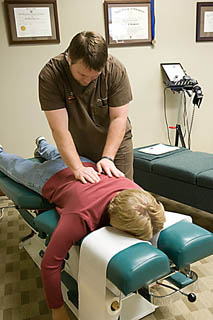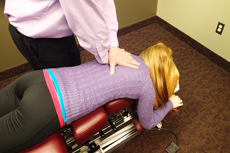
Physical therapy programs are designed to restore movement, strength, and functional capacity following injury or chronic strain. In Billerica, MA, radial pressure wave therapy (RPWT) is increasingly used alongside physical therapy to support tissue healing, improve mobility, and enhance overall rehabilitation outcomes.
Understanding how RPWT fits into physical therapy programs helps clarify its role in conservative musculoskeletal care and long-term recovery planning.
What Is Radial Pressure Wave Therapy?
Radial pressure wave therapy is a non-invasive modality that delivers acoustic pressure waves to targeted soft tissues. These pressure waves create controlled mechanical stimulation within muscles, tendons, and connective tissues.
The goal of RPWT is to promote circulation, stimulate cellular activity, and support the body’s natural repair processes. Unlike passive pain-focused treatments, RPWT targets the underlying tissue environment that influences movement quality and recovery.
How Does RPWT Differ From Traditional Physical Therapy Modalities?
Physical therapy often includes therapeutic exercises, manual techniques, and movement re-education. While these approaches focus on restoring strength and coordination, RPWT addresses tissue-level limitations that may restrict progress.
Chronic soft tissue irritation, reduced blood flow, and connective tissue stiffness can slow rehabilitation. Radial pressure wave therapy helps address these factors by stimulating metabolic activity in areas that may be resistant to change through exercise alone.
When combined appropriately, RPWT and physical therapy address both mechanical movement patterns and biological tissue health.
Why Is RPWT Used Alongside Physical Therapy Programs?
Physical therapy with RPWT is commonly considered when progress plateaus due to persistent soft tissue dysfunction. Tendons and ligaments, in particular, often heal slowly due to limited blood supply.
By improving circulation and stimulating tissue remodeling, RPWT may help prepare tissues for more effective participation in therapeutic exercise. This can allow patients to tolerate movement more comfortably and engage more fully in rehabilitation activities.
Rather than replacing physical therapy, RPWT is used to enhance its effectiveness within a structured care plan.
What Conditions May Benefit From Physical Therapy With RPWT?
RPWT is often integrated into physical therapy programs for conditions involving long-standing soft tissue stress. These may include:
- Tendinopathies related to repetitive motion
- Ligament strain affecting joint stability
- Chronic muscle tightness limiting range of motion
- Soft tissue discomfort associated with altered biomechanics
In these cases, RPWT helps address tissue quality while physical therapy focuses on restoring movement patterns and functional strength.
How Does RPWT Support Functional Recovery?
Functional recovery depends on the ability of tissues to adapt to load and movement. When tissues are stiff, irritated, or poorly nourished, even well-designed exercise programs may be limited in effectiveness.
Radial pressure wave therapy supports functional recovery by encouraging tissue elasticity and reducing localized sensitivity. This allows physical therapy exercises to be performed with improved efficiency and reduced compensatory movement.
Over time, this combined approach supports better coordination, endurance, and resilience during daily activities.
What Is the Role of Movement After RPWT?
Movement is a critical component of recovery following RPWT sessions. Physical therapy provides structured guidance on how to safely load tissues and reinforce proper movement patterns.
RPWT prepares tissues to respond more effectively to movement-based rehabilitation. When followed by appropriate exercises, it can help reinforce long-term improvements rather than temporary changes.
This sequencing highlights why RPWT is most effective when used as part of an integrated physical therapy program rather than as a standalone approach.
How Do Providers Determine When to Use RPWT?
Not all rehabilitation programs require RPWT. Its use is typically based on clinical findings such as chronic tissue irritation, limited progress with standard therapy, or mechanical restrictions affecting function.
A comprehensive assessment helps determine whether RPWT is appropriate and how it should be integrated into physical therapy. This ensures that care remains targeted, evidence-based, and aligned with individual recovery goals.
Those seeking additional insight into conservative rehabilitation options may find guidance from a credible chiropractic partner in Billerica, MA that incorporates RPWT into structured care plans.
How RPWT Fits Into Conservative Care Models
Conservative musculoskeletal care emphasizes non-invasive strategies that support long-term function. Physical therapy with RPWT reflects this model by combining movement-based rehabilitation with tissue-focused intervention.
This approach is particularly relevant for individuals managing chronic conditions or repetitive strain injuries. By addressing both movement mechanics and tissue health, combined care supports sustainable outcomes without relying on invasive procedures.
Key Considerations for Patients in Billerica, MA
Individuals considering physical therapy with RPWT should understand that progress depends on consistency, appropriate loading, and individualized care planning. RPWT is not a shortcut but a supportive tool that enhances rehabilitation when used appropriately.
For patients in Billerica, MA, access to integrated care options allows for more comprehensive management of musculoskeletal conditions and functional limitations.
Summary: Integrating RPWT With Physical Therapy
Radial pressure wave therapy complements physical therapy programs by addressing soft tissue factors that influence recovery. When combined with structured movement and rehabilitation strategies, RPWT supports improved tissue response, mobility, and functional outcomes.
Understanding how these approaches work together helps individuals make informed decisions about conservative care options available in Billerica, MA.