Preventative building maintenance is essential for property owners and facility managers who want to safeguard their investments and avoid costly repairs. In today’s fast-paced world, staying ahead of potential issues before they escalate is more important than ever. Many professionals searching for advanced solutions turn to Thermographic Scanning Atlanta, GA, to detect hidden problems in buildings, ensuring safety and efficiency while minimizing unexpected expenses.
The Science Behind Thermographic Scanning
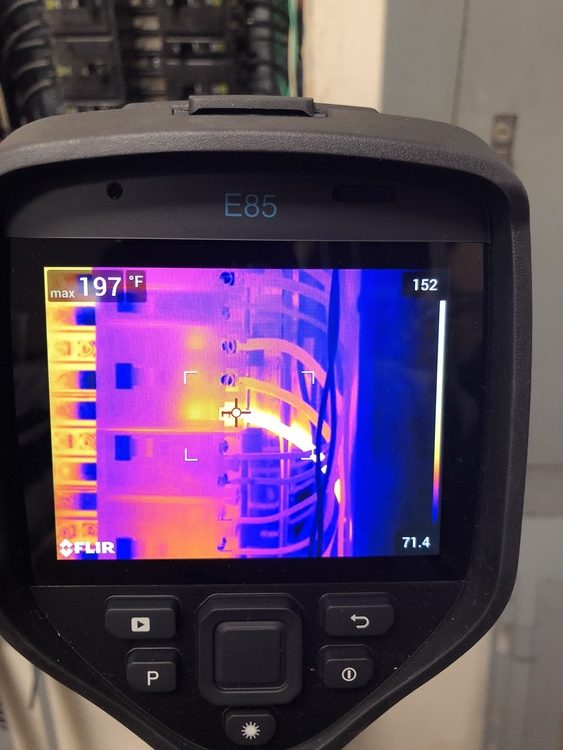
Thermographic scanning, also known as infrared thermography, uses specialized cameras to detect heat patterns and temperature variations on building surfaces. This non-invasive technology uncovers anomalies that are invisible to the naked eye, such as electrical faults, insulation gaps, moisture intrusion, and HVAC inefficiencies. By identifying these issues early, property managers can address them promptly, preventing further damage and improving overall building performance.
Key Benefits of Preventive Maintenance
Thermographic scanning offers several advantages that make it a valuable tool for proactive building maintenance:
- Early Detection of Electrical Issues: Overheating electrical components can be a fire hazard. Thermographic scanning pinpoints hotspots in electrical panels and wiring, allowing for timely repairs before failures occur.
- Moisture and Water Intrusion Identification: Hidden leaks behind walls or roofs can lead to mold growth and structural damage. Infrared technology locates moisture accumulation, making it easier to fix the source before significant harm occurs.
- Energy Efficiency Improvements: Gaps in insulation or air leaks can increase energy costs. Thermographic scans reveal these inefficiencies, enabling targeted upgrades that reduce utility expenses.
- Non-Destructive Testing: Unlike traditional inspection methods, thermographic scanning is non-invasive and does not require dismantling structures, minimizing disruption to building occupants.
Why Atlanta Buildings Need Thermographic Scanning
Atlanta’s warm, humid climate and frequent storms create unique challenges for building maintenance. Moisture intrusion, condensation, and electrical stresses are common issues in this region. Routine thermographic scanning helps address these vulnerabilities by:
- Detecting subtle temperature changes caused by moisture or faulty wiring before they escalate.
- Supporting compliance with local building codes and safety standards.
- Providing detailed documentation for insurance claims or property assessments.
Additionally, regular thermographic inspections can extend the lifespan of building systems and components, preserving property value and occupant safety.
Implementing a Successful Thermographic Maintenance Program
To maximize the benefits of thermographic scanning, consider the following best practices:
1. Schedule Regular Inspections: Annual or bi-annual scans help identify issues early and track changes over time.
2. Prioritize High-Risk Areas: Focus on electrical systems, roofing, and exterior walls where problems are most likely to develop.
3. Document Findings: Maintain detailed records of scans and corrective actions to support future maintenance planning.
4. Act Promptly: Address identified issues without delay to prevent minor concerns from becoming major repairs.
Thermographic scanning is a powerful asset for preventative building maintenance, especially in Atlanta’s challenging climate. By leveraging this advanced technology, property managers can detect hidden problems, improve energy efficiency, and maintain safe, reliable buildings. Investing in regular thermographic inspections not only protects your property but also saves money in the long run, making it a wise choice for proactive facility management.