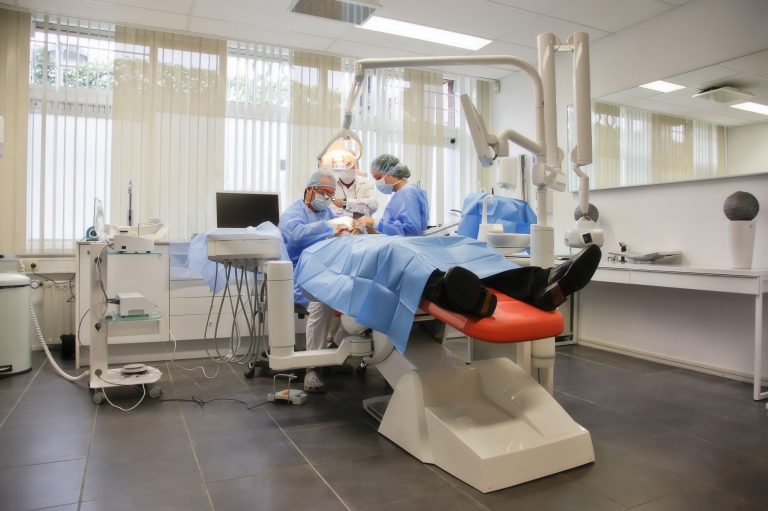
An internal medicine doctor focuses on evaluating adult health conditions through clinical exams, medical history review, and diagnostic testing. One important tool used during these evaluations is diagnostic imaging, which helps physicians observe internal structures that cannot be assessed through a physical examination alone.
Many individuals searching online for a physician near me are looking for medical care that includes thorough evaluation and accurate diagnosis. Diagnostic imaging plays an important role in internal medicine because it allows physicians to better understand symptoms, identify potential medical conditions, and monitor health over time.
For adults in Houston, TX, imaging technology supports physicians in making informed decisions about treatment plans and long-term health monitoring.
What Is Diagnostic Imaging in Internal Medicine?
Diagnostic imaging refers to medical technologies that create images of structures inside the body. These images allow physicians to examine organs, bones, tissues, and blood vessels without surgical procedures.
An internal medicine doctor may recommend imaging tests when symptoms require further investigation or when monitoring an existing condition. Imaging provides additional information that complements physical exams and laboratory testing.
Common imaging technologies used in internal medicine include:
- X-rays
- Ultrasound imaging
- Computed tomography (CT) scans
- Magnetic resonance imaging (MRI)
Each imaging method serves a different purpose depending on the condition being evaluated.
Why Internal Medicine Doctors Use Diagnostic Imaging
Medical symptoms do not always reveal their underlying cause during an initial examination. Diagnostic imaging allows physicians to observe internal structures and identify potential abnormalities.
For example, if a patient experiences persistent abdominal discomfort, imaging can help physicians evaluate organs such as the liver, kidneys, and gallbladder. Similarly, chest imaging can provide valuable insights when patients report breathing difficulties or persistent coughing.
An internal medicine doctor uses imaging as part of a comprehensive evaluation that includes patient history, laboratory tests, and clinical observations. Together, these tools provide a clearer picture of a patient’s health.
Diagnostic imaging helps physicians:
- Confirm or rule out potential conditions
- Identify structural abnormalities
- Evaluate internal inflammation or infection
- Monitor chronic medical conditions
- Track the progression of certain diseases
These insights support more accurate diagnoses and informed medical decisions.
Common Conditions Evaluated Through Imaging
Diagnostic imaging is used in internal medicine to evaluate a wide range of health conditions affecting adults. Physicians may recommend imaging when symptoms require additional investigation or when ongoing monitoring is necessary.
Some conditions that may involve imaging evaluation include:
- Cardiovascular conditions
- Respiratory concerns
- Digestive system disorders
- Kidney or urinary tract concerns
- Musculoskeletal issues
For example, imaging of the chest can help physicians observe lung structures and detect abnormalities that may not be visible during a physical exam. Imaging of the abdomen can reveal conditions affecting internal organs that may otherwise be difficult to evaluate.
These tools help physicians move beyond symptom descriptions and examine the underlying causes of health concerns.
The Role of Imaging in Preventive Health Monitoring
Diagnostic imaging is not only used when symptoms appear. In some cases, imaging helps physicians monitor health risks and identify conditions before they produce noticeable symptoms.
An internal medicine doctor may recommend imaging for patients with certain risk factors or medical histories. For example, imaging may help monitor cardiovascular health or detect structural changes in organs over time.
Preventive imaging evaluations can help physicians:
- Detect abnormalities in early stages
- Monitor previously identified health concerns
- Evaluate the effectiveness of treatment plans
- Track long-term changes in organ structure or function
This approach supports proactive healthcare, where physicians identify potential concerns before they develop into more complex conditions.
How Imaging Supports Chronic Condition Monitoring
Many adults live with chronic medical conditions that require regular evaluation. Diagnostic imaging allows physicians to monitor these conditions and observe how they evolve over time.
For example, imaging may be used to track structural changes in organs affected by long-term conditions. By comparing images from different time periods, physicians can determine whether a condition is stable or progressing.
An internal medicine doctor uses this information to adjust treatment strategies and provide guidance tailored to a patient’s current health status. Imaging results often work alongside laboratory testing and physical examinations to provide a more complete picture of a patient’s health.
Diagnostic Imaging and Patient Understanding
Imaging results can also help patients better understand their medical conditions. Visual information often provides clearer insight into what is happening within the body.
When physicians review imaging findings with patients, they can explain how structural changes or abnormalities relate to symptoms. This discussion helps patients gain a deeper understanding of their health and the steps involved in managing their condition.
For individuals searching for a physician near me, having access to comprehensive diagnostic evaluation is often an important factor when choosing ongoing medical care.
Those seeking information about internal medicine services and diagnostic evaluation options can learn more through a trusted medical clinic in Houston, TX that focuses on adult healthcare and internal medicine evaluations.
Diagnostic Imaging in Modern Internal Medicine
Advancements in medical imaging technology have significantly improved the ability of physicians to evaluate complex health conditions. Modern imaging tools provide clearer images and more detailed insights than earlier technologies.
These advancements allow internal medicine doctors to detect subtle abnormalities that may not have been visible in the past. Imaging results can be combined with other diagnostic information to guide treatment decisions and support long-term health monitoring.
As medical technology continues to evolve, diagnostic imaging remains a valuable part of comprehensive internal medicine evaluations.
Supporting Accurate Diagnosis and Long-Term Health
An internal medicine doctor relies on a variety of diagnostic tools to evaluate adult health conditions. Among these tools, diagnostic imaging provides critical insights that help physicians observe internal structures and understand potential causes of symptoms.
By combining imaging with physical exams, laboratory testing, and patient medical history, physicians can create a more complete understanding of a patient’s health status. This comprehensive approach supports accurate diagnoses and ongoing monitoring of medical conditions.
For adults in Houston, TX, imaging technology plays an important role in modern healthcare. Through careful evaluation and ongoing monitoring, internal medicine physicians use diagnostic imaging to support informed medical decisions and long-term health management.