Bottom line:
- A disposable THCA vape is a pre-filled, single-use device that converts to THC when heated, so lab results, battery type, and state legality matter before purchase.
- Federal rules changed in late 2025, tightening how much total THC a hemp product can legally contain, which directly affects THCA vape availability.
- Checking a certificate of analysis, device construction, and your state’s current hemp laws helps avoid wasted money or legal exposure.
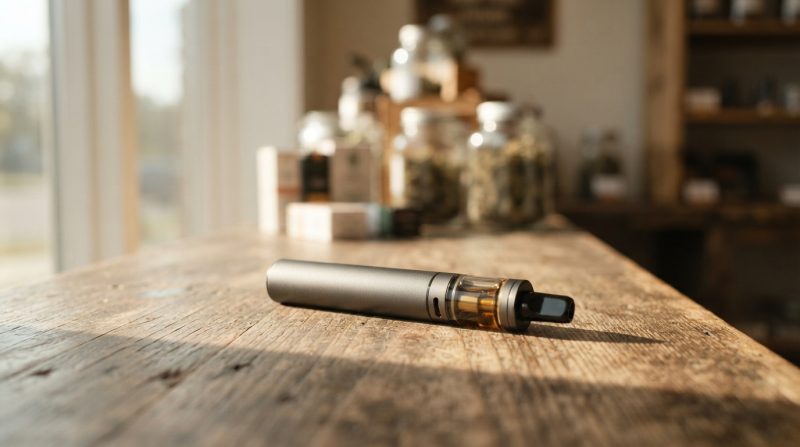
Disposable vapes built around THCA have become one of the more visible hemp product categories on store shelves, largely because they look and function like a standard cannabis cart without requiring a separate battery. Before buying one, it helps to understand what the product actually is, how it is regulated right now, and which details separate a safe purchase from a questionable one. A Disposable THCA Vape typically contains pre-filled oil, a built-in heating element, and a battery that is either single-use or rechargeable depending on the brand.
THCA itself is non-intoxicating in its raw form. It only becomes psychoactive THC once it is heated, which is the entire function of a vape device. That conversion process is why regulators now treat these products with the same scrutiny applied to traditional THC vapes, even though the starting material is hemp rather than marijuana. For anyone comparing options or confirming what is currently in stock, it is worth taking a moment to Stay Luminate and review current lab results and product details before deciding.
How the Product Actually Works
A disposable THCA vape is built around a simple mechanical idea: heat converts an otherwise inactive cannabinoid into an active one.
- Pre-filled oil reservoir – Usually glass or ceramic, holding distillate, live resin, or liquid diamond concentrate.
- Heating coil or ceramic element – Activated by drawing on the mouthpiece, no buttons required in most designs.
- Integrated or rechargeable battery – Some units are fully disposable; others include a USB-C port for recharging until the oil runs out.
- Lab documentation – A reputable product ships with a certificate of analysis confirming cannabinoid content and screening for contaminants.
Understanding this structure matters because device quality affects both vapor consistency and safety. A poorly sealed reservoir or uncertified coil material introduces risk that has nothing to do with the cannabinoid itself.
Legal Status to Confirm Before Buying
Hemp-derived cannabinoid law shifted significantly in late 2025, and the rules are not the same everywhere. Federal changes under the 2025 appropriations legislation redefined hemp by restricting total THC, including THCA, and clarified that cannabinoids altered outside the plant no longer qualify as compliant hemp, according to DLA Piper’s legal analysis.
State treatment varies even more sharply:
| State | Status as of late 2025 | Key restriction |
|---|---|---|
| Texas | Banned | Sale and marketing of all cannabinoid vapes prohibited starting September 2025 |
| Arkansas | Banned | Products over 1 mg total THC per container prohibited under Act 934 |
| Ohio | Emergency removal | Statewide order to pull intoxicating hemp products from shelves in October 2025 |
| Alabama | Banned | House Bill 445 prohibits all smokable hemp products including vapes |
These details come from a state-by-state hemp law tracker current as of November 2025. Because enforcement and definitions continue to shift, confirming current rules in your own state before ordering is a practical first step, not an optional one.
What to Inspect on the Label and Listing
A few checks separate a reliable purchase from a risky one:
- Certificate of analysis (COA) – Confirms cannabinoid percentages and screens for pesticides, heavy metals, and residual solvents.
- Total THC disclosure – Look for the combined THCA plus delta-9 figure, not just one number in isolation.
- Battery type – Rechargeable USB-C units generally allow full use of the oil; integrated batteries may die before the reservoir empties.
- Hardware material – Ceramic heating elements tend to produce more even vapor than lower-cost coil alternatives.
- Age verification at checkout – Legitimate sellers require proof of being 21 or older before completing a sale.
Skipping any of these steps increases the odds of an inconsistent device or a product that is not actually compliant with current hemp standards.
Frequently Asked Questions
Does a disposable THCA vape get a person high? Raw THCA is not psychoactive, but heating it through a vape device converts it into delta-9 THC, which does produce intoxicating effects.
Is a disposable or rechargeable design better? Rechargeable designs with USB-C charging generally allow the full oil reservoir to be used, while fully disposable batteries can die before the device is empty.
Why does total THC matter on the label? Total THC combines THCA and delta-9 THC after conversion, and current federal thresholds use that combined figure rather than delta-9 alone to determine hemp compliance.
Can these products be shipped to any state? No. State law varies widely, and several states have restricted or banned inhalable hemp cannabinoid products, so checking local rules before ordering is necessary.
Making an Informed Choice
Choosing a disposable THCA vape comes down to verifying lab documentation, understanding how battery and hardware design affect the experience, and confirming that the product is legal to purchase and possess in your state. Luminate offers hemp-derived flower, concentrates, and vape products with lab testing documentation available for review before purchase.