Summary:
- A smooth garage door installation starts with clearing the garage, confirming measurements, and addressing electrical access before the crew arrives.
- Verified local providers such as Big Belt Garage Doors LLC handle new installations, repairs, replacements, and commercial garage door work in the Helena area.
- Proper prep reduces delays, protects your property, and supports safer long-term door performance.
Homeowners preparing for garage door installation in Helena, MT can shorten project timelines and avoid common setbacks by clearing the workspace, confirming door measurements, and checking electrical access before installers arrive. A little advance planning helps the crew move efficiently and reduces the chance of surprises once work begins.
Scheduling Garage Door Installation in Helena, MT typically starts with a decision about door style, material, and insulation level, since these choices affect both the opening preparation and the final fit. Montana’s seasonal temperature swings make insulation and weatherproofing especially relevant for garages attached to living spaces. Taking time to finalize these details before the installation date keeps the project on schedule.
Clearing the Workspace Before Installers Arrive
A clear, accessible garage interior and driveway area allow installers to work efficiently and safely.
- Remove vehicles, bikes, and stored items from the garage bay and a few feet around the exterior opening.
- Clear pathways so tools, replacement panels, and hardware can be moved in and out without obstruction.
- Take down shelving or decorations mounted near the door frame or track area.
- Secure pets and keep children away from the work zone during installation hours.
A tidy space also gives installers a clear view of the opening, framing, and header, which matters when confirming fit for a new door.
Confirming Measurements and Structural Readiness
Accurate measurements prevent delays and ensure the new door operates correctly from day one. Before installation day, it helps to confirm the rough opening width and height, headroom above the door, and side room needed for tracks and springs. Homes with older framing or non-standard openings may need minor adjustments, which is easier to identify ahead of time than on the day of installation.
Garage door systems rely on several components working together correctly, including springs, cables, rollers, and photo-eye sensors. According to the International Door Association, homeowners can check for wear by standing inside the garage with the door closed and looking over the springs, cables, rollers, and pulleys. Flagging any visible wear or misalignment before installation gives the crew a head start on diagnosing whether existing hardware can be reused or needs replacement.
Electrical and Opener Considerations
Modern garage door openers require reliable power access near the unit, so confirming your electrical setup ahead of time avoids last-minute scrambling.
| Preparation Step | Why It Matters |
| Confirm a working outlet near the opener mount | Prevents delays from needing an electrician on-site |
| Test existing opener remotes and keypads | Identifies whether components need replacement |
| Check for GFCI protection if required locally | Supports code compliance and safety |
| Note any smart-home or app-connected opener plans | Helps installers set up compatible hardware |
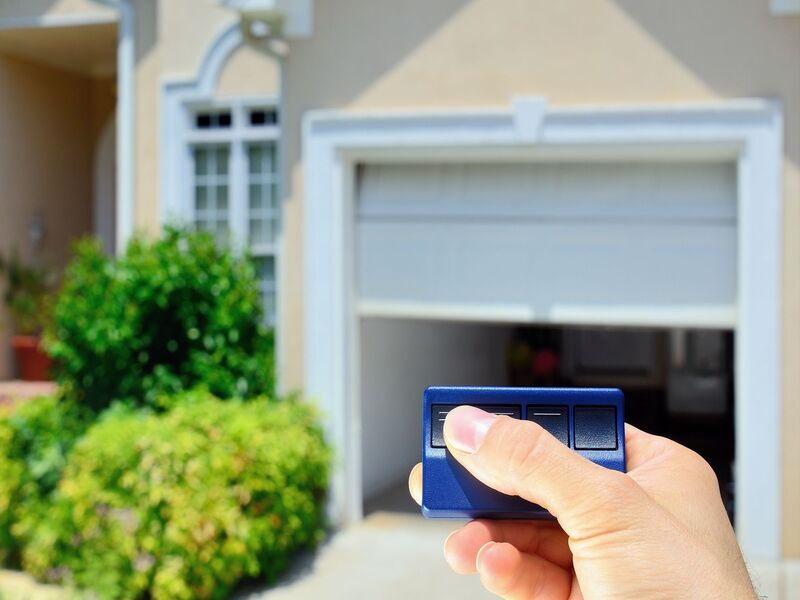
Discussing opener preferences in advance, including brand and connectivity features, allows the installation team to bring the correct hardware on the first visit rather than scheduling a return trip.
Choosing the Right Door for Helena’s Climate
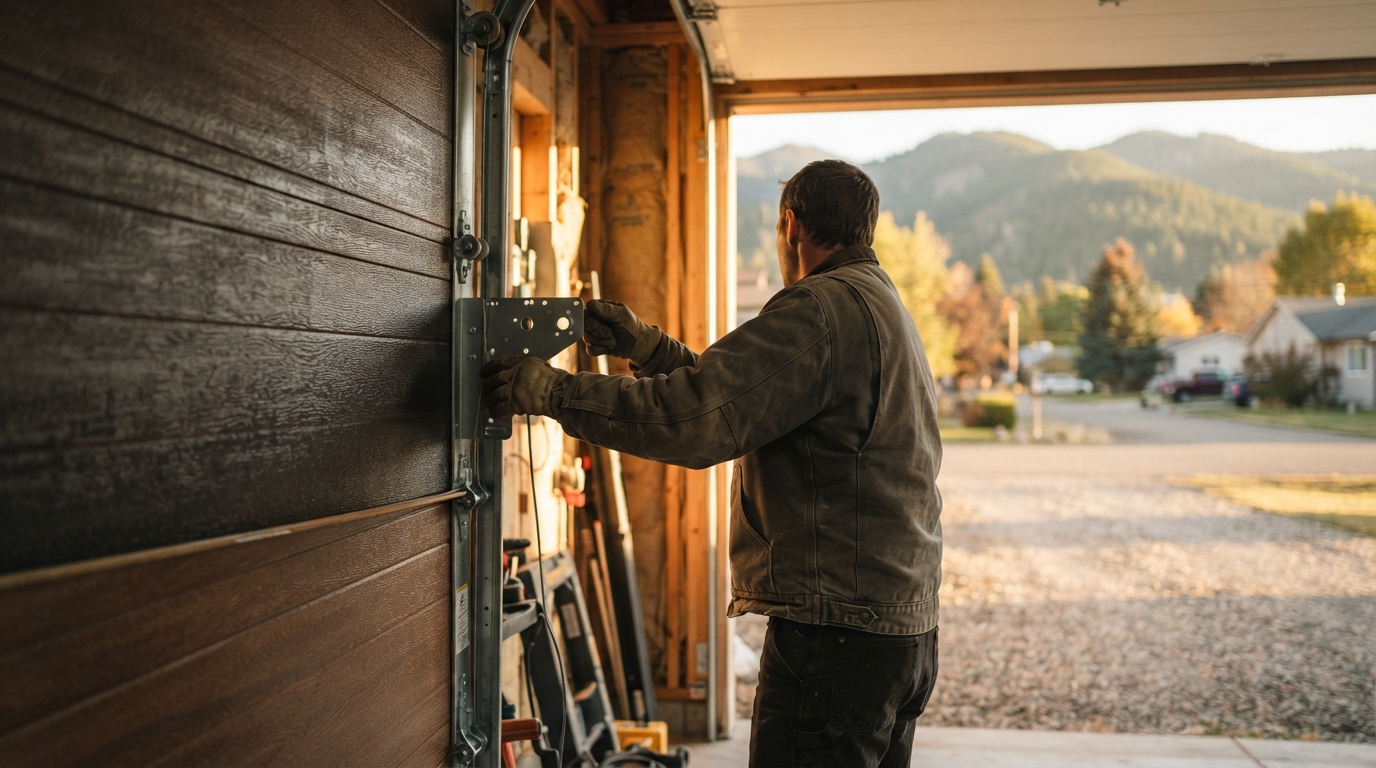
Door material and insulation level affect comfort, energy efficiency, and durability through Montana winters and summers. Choosing the right garage door can improve both the appearance and performance of your home or business, and installation services help customers select doors that match their property’s style, budget, and functional requirements. An experienced installer takes the time to ensure every installation is completed correctly from the start, since proper installation helps maximize the lifespan of the door while promoting smooth operation and reliable performance.
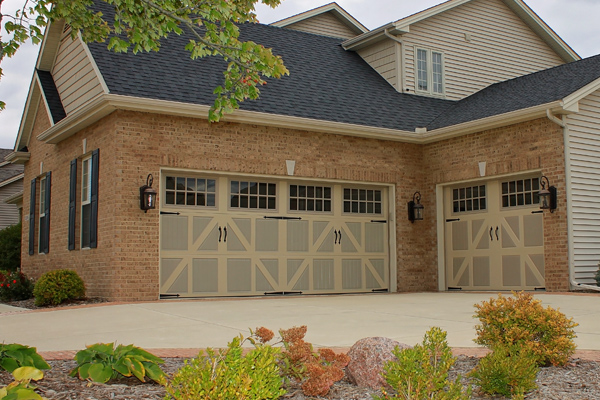
Providers offering a range of product lines, such as CHI Overhead Doors styles along with custom wood and steel options, give homeowners flexibility to match curb appeal with practical insulation needs. Commercial property owners have similar considerations, since solutions for new garage door installations, existing garage door repairs, garage door replacements, and commercial garage door services all depend on accurate upfront planning.
Frequently Asked Questions
How long does a typical garage door installation take? Installation timelines vary based on door size, material, and whether existing tracks or openers need replacement, so ask your installer for a project-specific estimate during the initial consultation.
Do I need to be present during installation? Being available at the start and end of the appointment helps confirm access, review the finished work, and ask questions, even if you step away during the hands-on portion of the job.
Can installation happen in cold weather? Garage door installation can often proceed in colder months, though scheduling flexibility and proper sealing become more important to protect the opening during the work.
What should I do with the old door? Ask your installer about removal and disposal options before the appointment, since this affects whether you need to arrange separate hauling.
Preparing your garage ahead of installation day, from clearing the workspace to confirming electrical access and door specifications, sets the stage for a project that stays on schedule and performs reliably for years. Homeowners and business owners throughout the Helena area who want help planning a new installation, repair, or replacement can reach out to Big Belt Garage Doors LLC for guidance suited to their property and timeline.