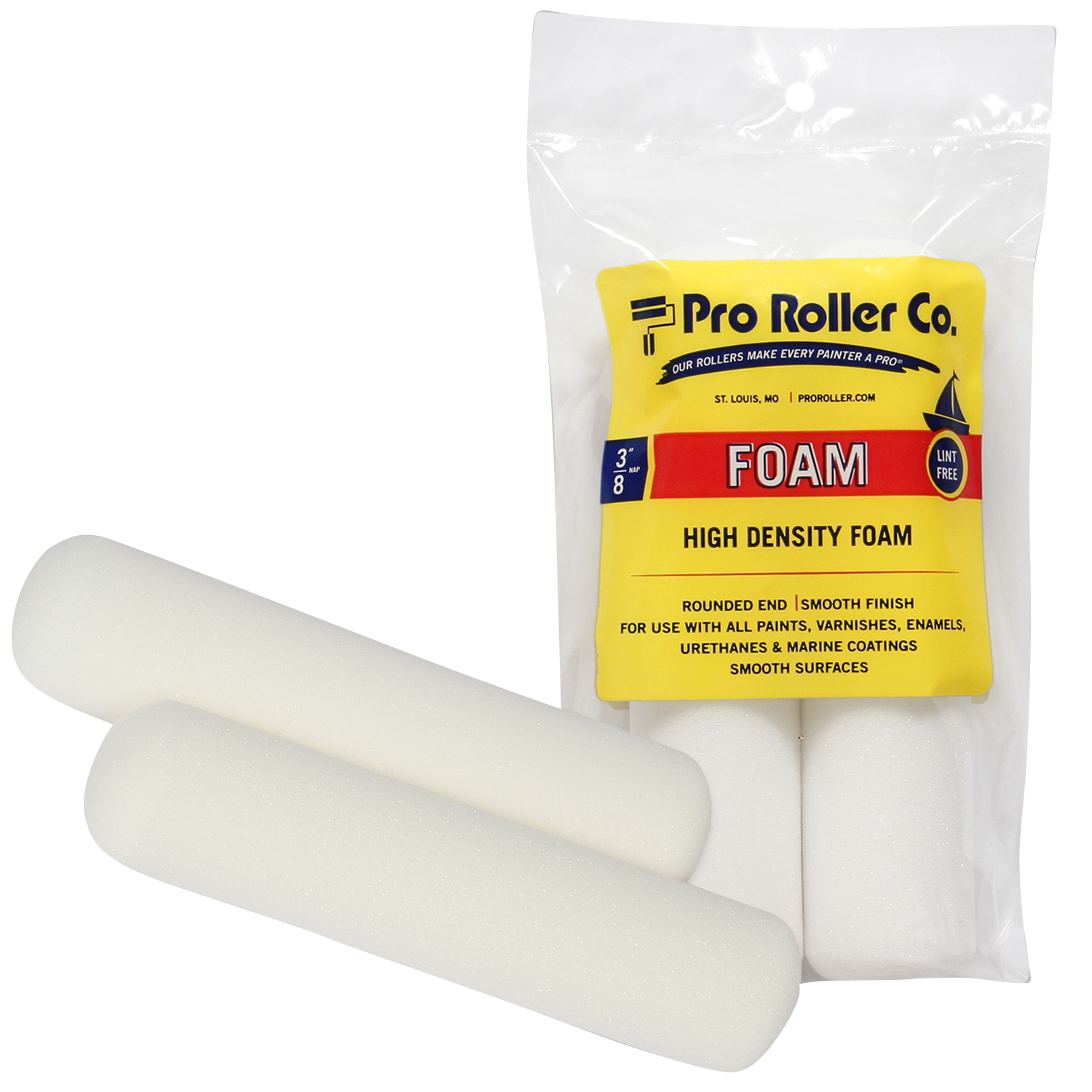
Transforming a room with a fresh coat of paint is one of the most effective ways to revitalize your living space. Yet, achieving that flawless, professional finish on smooth walls can be challenging without the right tools. Many DIY enthusiasts and homeowners search for solutions that deliver high-quality results without the hassle or expense of hiring a professional. If you’re looking to elevate your next painting project, discovering the benefits of a High Density Foam Paint Roller can make all the difference in achieving that smooth, streak-free finish you desire.
Why Choose a High Density Foam Paint Roller?
Selecting the appropriate roller is crucial when painting smooth walls. Traditional rollers made of fabric or nap often leave behind subtle texture or lint, which can detract from the sleek appearance you’re aiming for. In contrast, high density foam rollers are specifically designed for smooth surfaces, providing several distinct advantages:
- Ultra-Smooth Finish: The dense foam material ensures paint is applied evenly, minimizing the risk of roller marks or stippling.
- No Lint or Shedding: Unlike some fabric rollers, foam rollers do not shed fibers, promoting a pristine, professional look.
- Efficient Paint Application: High density foam absorbs paint efficiently and releases it consistently, reducing drips and improving coverage.
Ideal Uses for Smooth Walls
High density foam rollers are especially effective on surfaces where a flawless finish is essential. These include:
- Interior walls with minimal texture
- Doors and cabinetry
- Trim and baseboards
- Furniture pieces
Because the foam conforms slightly to the surface, it helps fill in minor imperfections while maintaining a level finish. This makes it ideal for both new drywall and previously painted surfaces that require a touch-up or color change.
Tips for Professional-Looking Results
Achieving a professional result at home is not just about the tool, but also about technique. Here are some actionable tips to maximize the benefits of your foam roller:
1. Prep the Surface: Clean and repair the wall before painting. Sand any rough spots and ensure the surface is dry and dust-free.
2. Prime When Needed: Use a quality primer on new drywall or when changing from a dark to a lighter color for better coverage.
3. Load the Roller Evenly: Dip the roller in paint and roll off excess on a tray to avoid drips.
4. Use Long, Even Strokes: Apply paint in overlapping sections, always maintaining a wet edge to prevent lines.
5. Work in Small Sections: This prevents paint from drying too quickly and helps maintain a uniform appearance.
Maintenance and Reusability
High density foam rollers are easy to clean and can be reused for multiple projects if cared for properly. Rinse the roller thoroughly with warm water (if using latex paint) and mild soap immediately after use. Allow it to dry completely before storing. Proper maintenance not only extends the life of your roller but also ensures consistent results every time.
In summary, upgrading your painting toolkit with a high density foam roller is a simple yet effective way to achieve smooth, professional-level results at home. Its ability to provide a flawless finish on smooth walls, combined with easy maintenance and efficient paint application, makes it a go-to choice for DIY painters and home renovators alike. Whether you’re updating a single room or tackling a larger project, this roller can help you create the polished, contemporary look you’ve always wanted—without the need for professional help.